Resilient by Design: How We Show Up
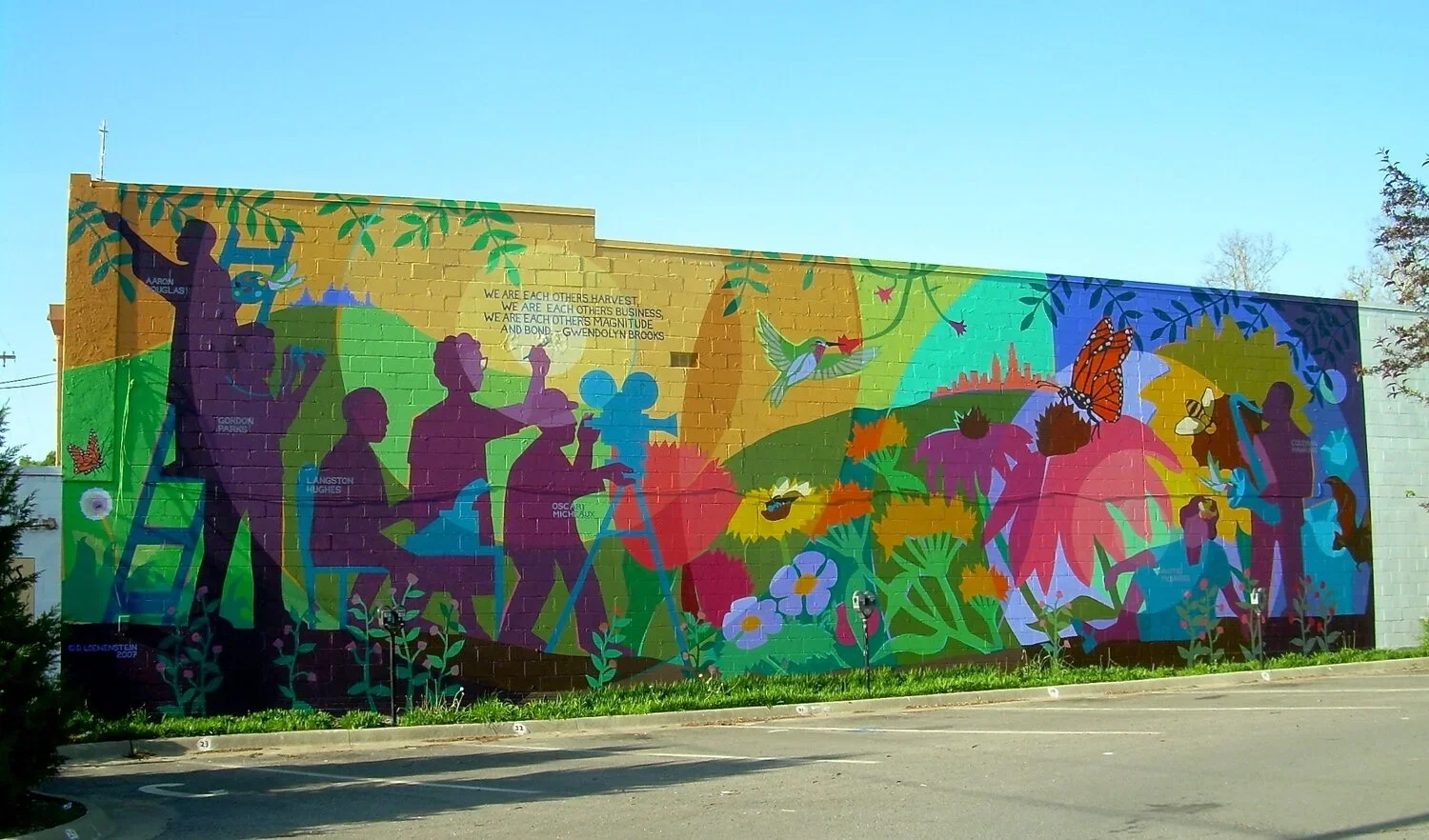
Pollinators. 2007-2015. Dave Lowenstein & Community.
Creating Hope in Community
Here now we find ourselves walking through the door to what’s next. We use the symbolic change of a calendar number and ball drop to switch from what was to what could be. In conversations among my people, a common theme is the desire and hope for a fresh start or at least a lessening of what feels like a series of bumps in the road, major disruptions, and moral injuries. We are full up from a past year of hardships of the personal and public, a collection of bright spots and wins, and a lot of uncertainty. “Happy New Year” is a mantra we say to each other designed to instill collective hope. A fresh start. A new beginning. And an underlying call to action from each other and the universe.
So, how do we turn all that hope into action? How do we show up for each other and our communities?
Let’s revisit the 2025 real quick. Back when I was younger, I proposed three key components of community resilience: Efficacy, Adaptability, and Sustainability. I also developed a 12-item tool to measure and assess each part of this complex puzzle. I created an intuitive pipeline from the tool results to actionable strategies so communities could actually use it in real life. I tinkered with language. I went back and forth with item responses. I tried to recall my best survey and measurement classes in grad school. I remain unsatisfied. It feels like an incomplete thought. There was something important missing, a phantom limb of an idea that was there but not.
So instead of pushing and pulling, I did other things, read other books, thought other thoughts. Basically, put these ideas on the backburner to simmer. Now, here we are. Happy New Year!
The Size and Shape of Trust
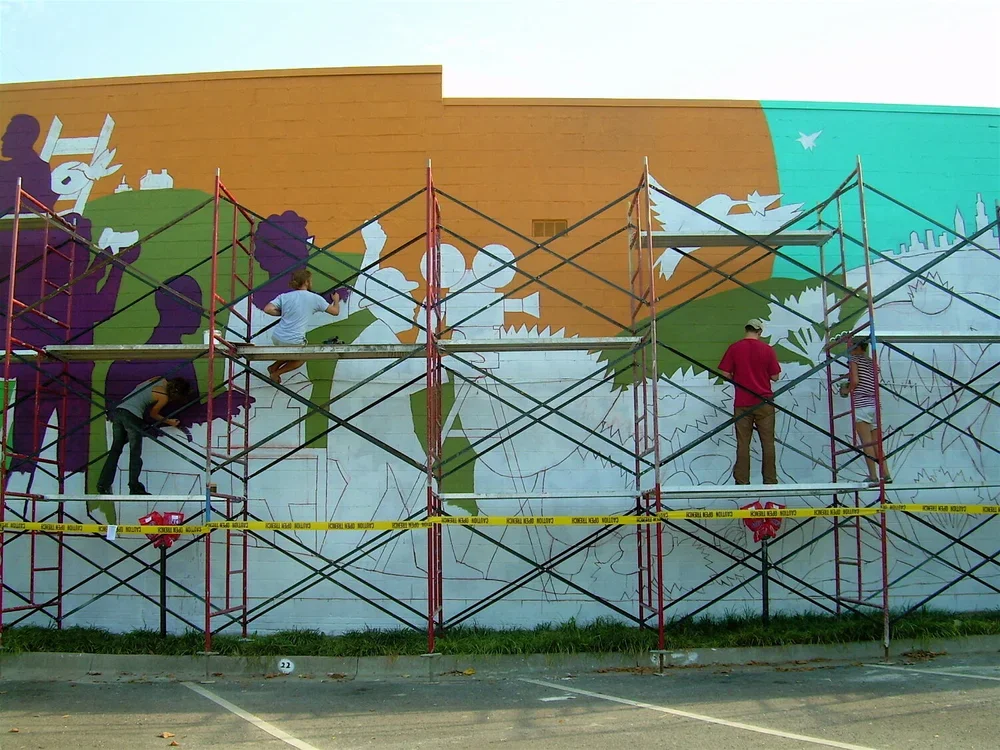
Pollinators. 2007-2015. Dave Lowenstein and Community.
Our model of community resilience has been framed as a set of building blocks as if there is a technical blueprint accompanying a mechanistic model. If we simply do the right things, input certain actions, and follow a plan, the output will be a more resilient community. This is reducing the concept of social fabric writ large to an easy to follow instruction manual. We need to address the missing motivator underlying how we show up for each other: Community Trust.
Social science researchers have been breaking down the dimensions of what community trust as a social indicator can look like and its association with engaging with one’s community [1,2]. Others more recently have looked at how community trust predicts the quality of our interactions with unknown others that make up our community [3]. And of course, the concept of community trust has been examined across contexts as diverse as disaster relief, education, public health, information and communication, agriculture, and many others.
But do we mean trust of people? Trust of groups? Trust of institutions? Trust of systems? A community contains all such elements and it’s more than likely that one might have wildly divergent feelings about each. I trust you, but I don’t trust them. We trust each other but not the words and deeds of that organization. Who can trust a system if it harms more than it helps? And yet, it is that amalgamation that we must engage with and rely upon for our communities to be effective, adaptable, and sustainable. This tension has been debated by philosophers and logicians [4,5,6] but not entirely resolved.
In other words, trust is complex. And yet it has relevance and meaning for community resilience. It must. But how?
Trust is the Relational Accelerator of Community Resilience
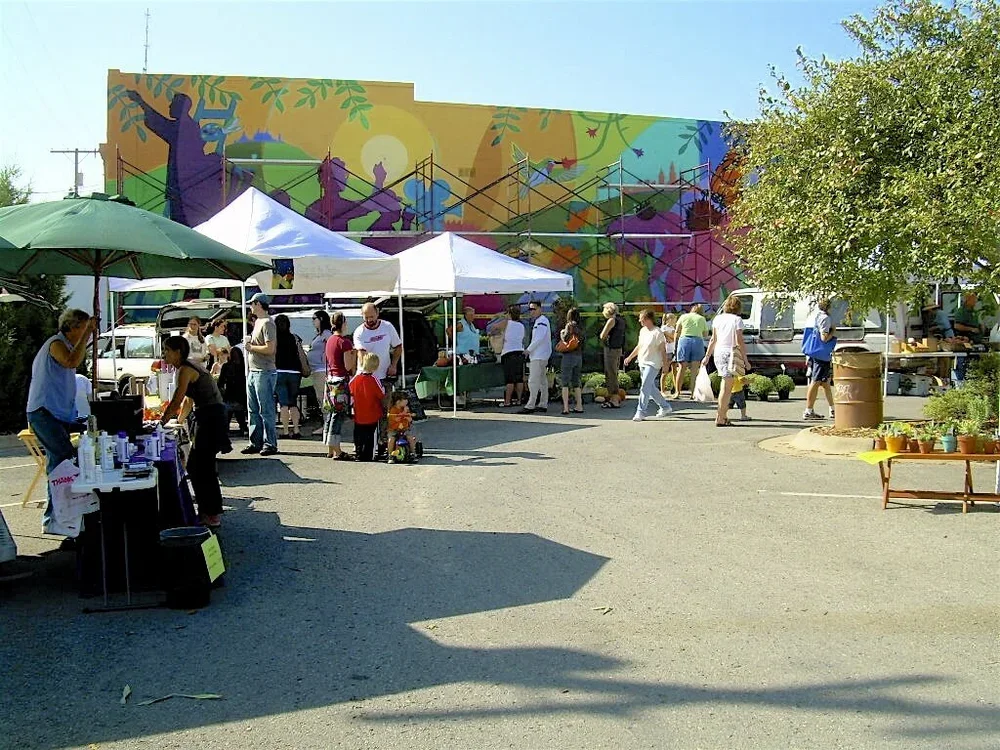
Pollinators. 2007-2015. Dave Lowenstein & Community.
So let us define what we mean going forward: Community trust is the shared expectation that others in the community will act in good faith, fulfill their responsibilities, and respond reliably in ways that support collective well-being.
In this way, trust affects how quickly people act together, how much friction occurs, how willing people are to adapt and share resources and responsibilities, and how long efforts can be sustained without burnout or burnt bridges.
Community trust, therefore, determines the speed, depth, and durability of our collective actions. It becomes the relational infrastructure holding us together when we must rely on something larger than ourselves.
When it comes to our building blocks model, imagine those blocks being powered by trust.
Efficacy: Trust lowers the cost of coordination. When trust is present, communities don’t need excessive negotiation, enforcement, or proof before acting. This is why high-trust networks are more effective at translating alignment into outcomes.
Adaptability: Trust enables reconfiguration. People step into new roles, release control, or adjust plans because they trust others to carry the work forward. Without trust, systems freeze under change.
Sustainability: Trust prevents burnout before bridges are burned. It spreads responsibility, supports pacing, and allows communities to rely on one another over time rather than overloading a few actors.
Therefore, community trust becomes a moderator in the equation of community resilience. It must be considered, measured, or built if not present. Otherwise, we are missing something important. We lose the power to act when the will is lost.
Our Social Contract With Each Other
As a community, we come together to solve a problem, support each other, and form a collective that has at its heart and hope the desire to do right by its people, places, and things. To steward. To serve. To share. And to care.
We often have an unwritten social contract with others in our community and we entrust people, groups, institutions, and systems to act on our behalf. That’s a tall order, true. Especially when trust is broken, corrupted, or misplaced. It is easier to think of examples of when and where that social contract breaks down. We can conjure what it looks like, its face and name, and what happens as a result. Coercion never solves the problem it creates.
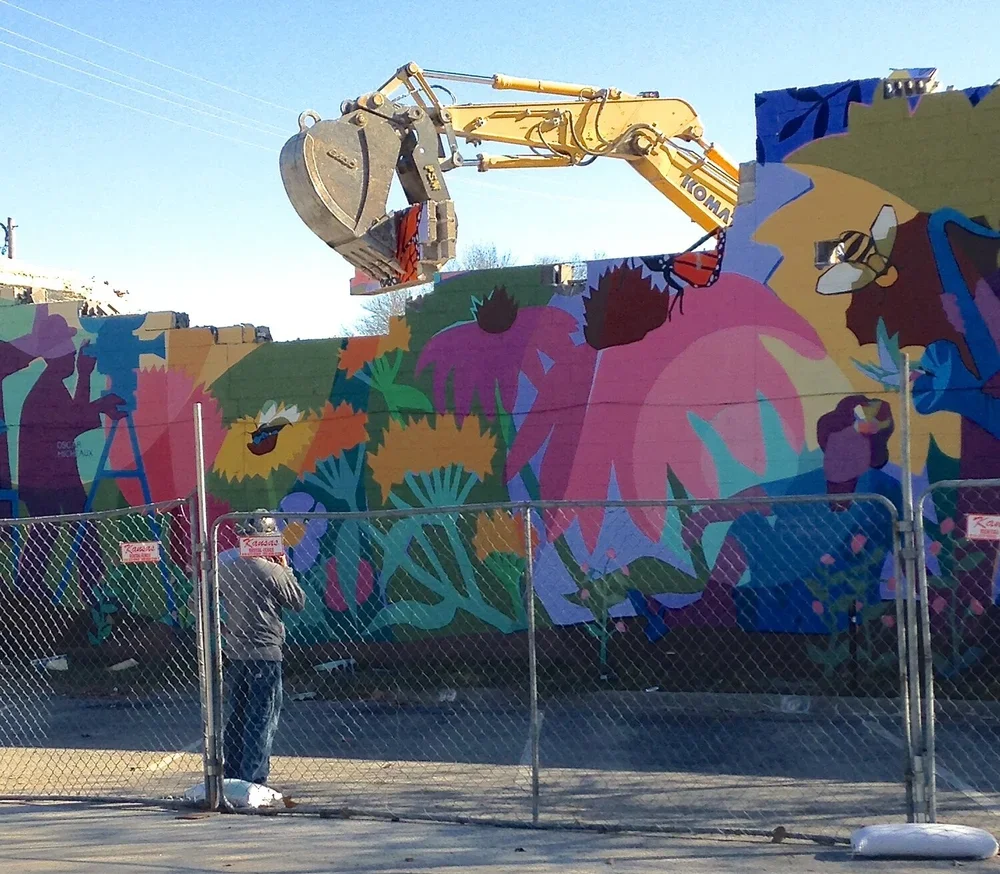
Pollinators. 2007-2015. Dave Lowenstein & Community.
Imagine instead how strong our communities are when a shared sense of responsibility to each other is the norm and when accountability to each other comes in the form of community obligation. This looks and feels like the responsibility to contribute, shared norms about showing up, expectations that effort will be reciprocated, and a sense that the work belongs to “us,” not “them”.
There is a moral glue holding together our trust-based community resilience building blocks. There must be, if we are to lead by example and act with a responsibility to each other. I see this driving the work of others too countless to name (but here’s a great one inspiring me lately). We can take a stand on this and we should.
Here’s how it shows up:
Efficacy: Obligation sustains follow-through. Communities move beyond good intentions because people feel accountable to one another, not just to outcomes or funders.
Adaptability: Obligation keeps people engaged during uncertainty. When plans change or roles shift, obligation encourages people to stay involved rather than disengage.
Sustainability: Obligation supports continuity across time. It’s what motivates leadership succession, knowledge sharing, and stewardship of shared resources.
We keep building. Together.
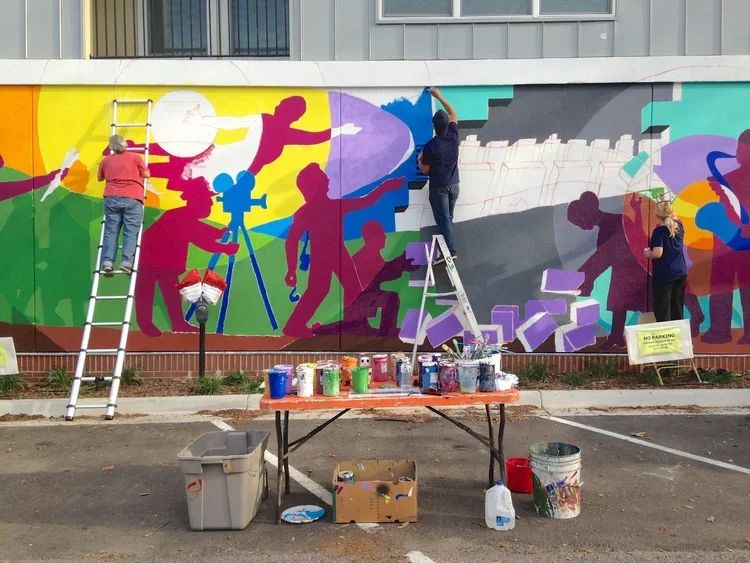
Pollinators II. 2017 - Present. Dave Lowenstein & Community
Community resilience is another name for the strength of our social fabric.
How can we not be its caretakers and co-signers on our social contract with each other? We care through shared acts of trust and responsibility to each other. We sign on to our collective obligations by showing up. We are stronger than what tries to unravel and pull us apart. We remember our better angels, our neighbors’ names, and what we hope for ourselves and each other in this new year and long into the future.
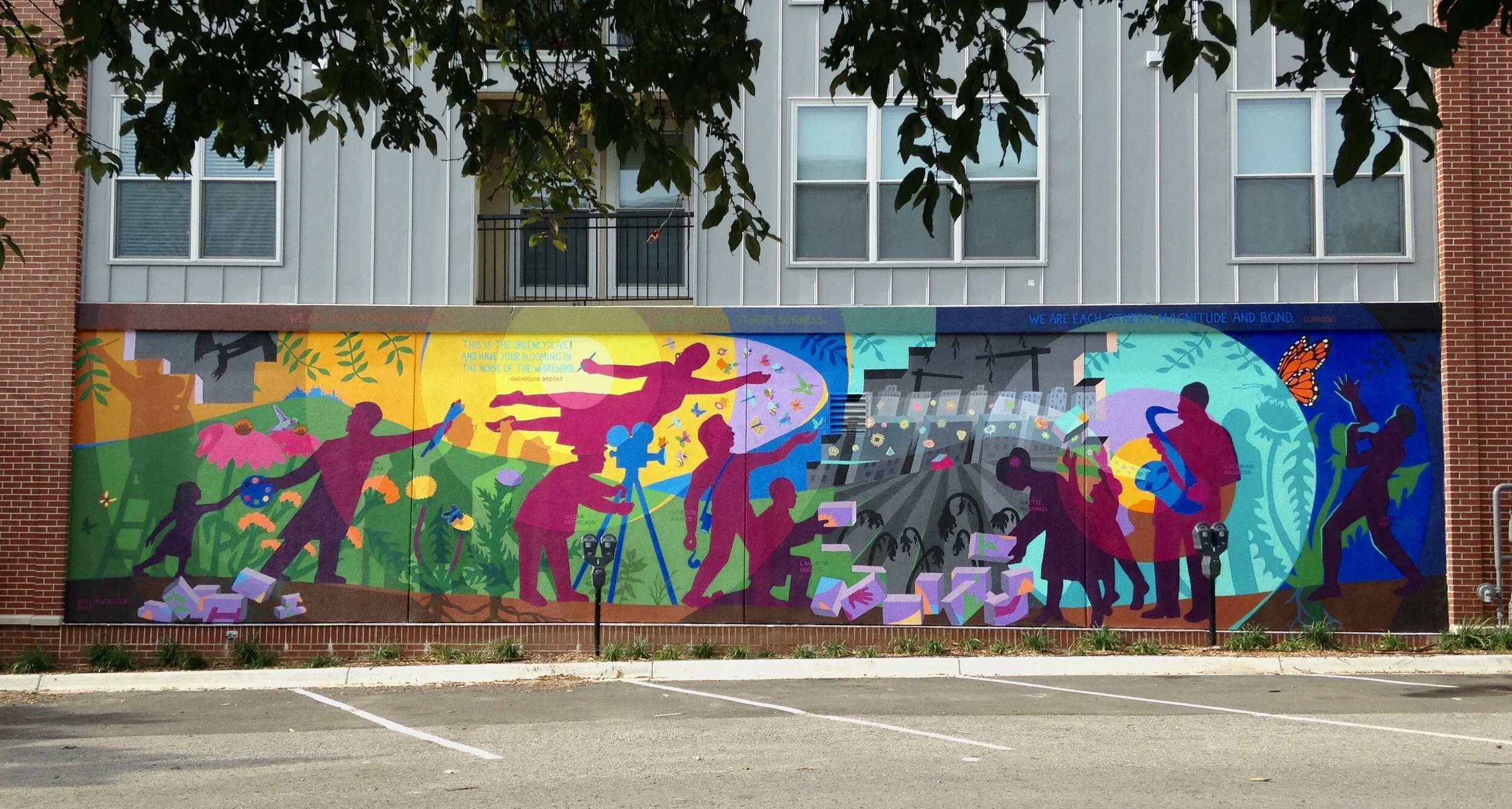
Pollinators II. 2017 - Present. Dave Lowenstein & Community
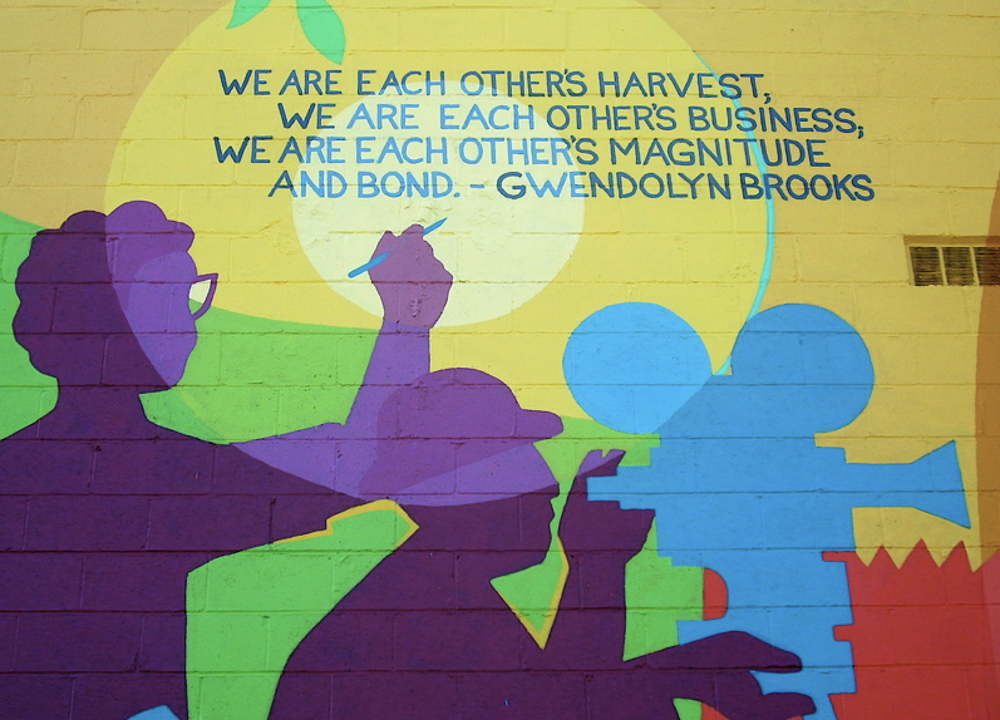
“..we are each other’s business: we are each other’s magnitude and bond.” [8]
Here Are a Few of the Many Things We’re Reading
Di Napoli, I., Dolce, P., & Arcidiacono, C. (2019). Community trust: A social indicator related to community engagement. Social Indicators Research, 145(2), 551-579.
Procentese, F., Di Napoli, I., Esposito, C., & Gatti, F. (2023). Individual and community-related paths to civic engagement: A multiple mediation model deepening the role of Sense of responsible togetherness, community trust, and hope. Community Psychology in Global Perspective, 9(1), 64.
West, T. N., Berman, C. J., Payne, B. K., Muscatell, K. A., & Fredrickson, B. L. (2025). Trust a stranger? Investigating community trust and economic inequality as barriers to positive interactions among strangers. Journal of Happiness Studies, 26(6), 107.
O'neill, O. (2002). A question of trust: The BBC Reith Lectures 2002. Cambridge University Press.
O’neill, O. (2018). Linking trust to trustworthiness. International Journal of Philosophical Studies, 26(2), 293-300.
Smith, C., & Rotolo, A. (2010). Collective trust and normative agents. Logic Journal of IGPL, 18(1), 195-213.
I Love You Guys Foundation. With You We Got This. https://iloveuguys.org/
Brooks, G. (1970). Paul Robeson. In Family Pictures. Broadside Press.